

Elizabeth II Becomes Queen: The Crown Passes at Age 25
Elizabeth II ascended to the throne while hiding in a treehouse at the Treetops Hotel in Kenya, unaware that her father's death had just made her queen. This sudden transition forced the new monarch to immediately assume the heavy responsibilities of leading the United Kingdom and Commonwealth realms from halfway across the world.
February 6, 1952
74 years ago
Key Figures & Places

Kenya
Wikipedia
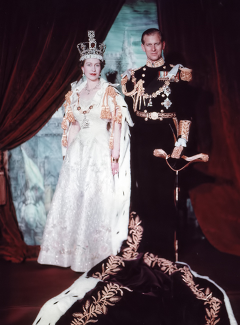
Queen regnant
Wikipedia
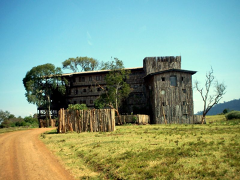
Treetops Hotel
Wikipedia
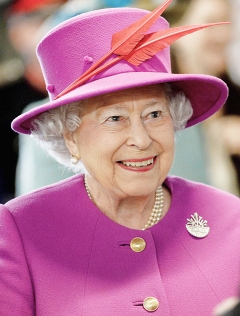
Elizabeth II
Wikipedia
Commonwealth realm
Wikipedia
Order of succession
Wikipedia
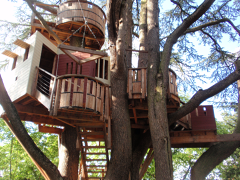
tree house
Wikipedia
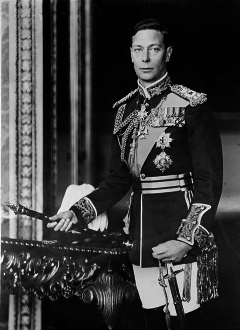
George VI
Wikipedia

Elizabeth II
Wikipedia

Monarchy of the United Kingdom
Wikipedia

Head of the Commonwealth
Wikipedia

George VI
Wikipedia
Order of succession
Wikipedia

Tree house
Wikipedia

Treetops Hotel
Wikipedia

Kenya
Wikipedia

James II of England
Wikipedia

Charles II of England
Wikipedia

England
Wikipedia

Scotland
Wikipedia

Ireland
Wikipedia

British
Wikipedia

Commonwealth of Nations
Wikipedia

List of English monarchs
Wikipedia
1660
Wikipedia

Geschichte Englands
Wikipedia

Histoire de l'Écosse
Wikipedia

Commonwealth realm
Wikipedia

1895
Wikipedia

1630
Wikipedia

England
Wikipedia
What Else Happened on February 6
A data mais antiga para a qual se conhece o dia da semana. Um grafite em Pompeia identifica este dia como um dies Solis (domingo), por um sistema em que o domin…
Julius I became pope in 337 by waiting. The previous pope died. The Roman clergy wanted Julius. But Emperor Constantius II wanted someone else — someone who'd s…
Hormizd IV lost his throne because he tried to tax the nobility and protect Christians. His brothers-in-law led the coup — Vistahm and Vinduyih, both military c…
Der fränkische König Karl der Große erlässt für die Zeit nach seinem Ableben die Divisio Regnorum, die die Aufteilung des Reiches unter seinen Söhnen Karl, Pipp…
effondrement du petit-pont à Paris à la suite d'une crue.
mariage du roi d'Aragon Jacques Ier avec Aliénor de Castille.[réf. nécessaire]
Talk to History
Have a conversation with historical figures who witnessed this era. Ask questions, explore perspectives, and bring history to life.