Queen Liliuokalani Crowned: Last Ruler of Hawaii
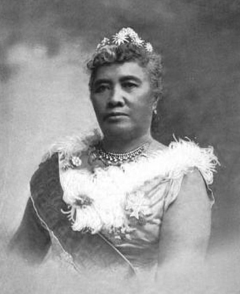
Liliuokalani was proclaimed queen of the Hawaiian Kingdom on January 29, 1891, becoming the first and only queen regnant in Hawaiian history. She ascended to the throne upon the death of her brother, King David Kalakaua, and inherited a kingdom in crisis—its sovereignty threatened by a powerful clique of American and European sugar planters who had already forced her brother to sign the "Bayonet Constitution" of 1887, stripping the monarchy of most of its power. The new queen was a remarkable figure: a composer of over 150 songs (including "Aloha Oe"), fluent in English and Hawaiian, educated at the Royal School alongside the children of missionaries, and possessed of a fierce determination to restore the authority of the Hawaiian crown. She believed the Bayonet Constitution was illegal, imposed under threat of violence by the Honolulu Rifles militia, and she immediately began planning a new constitution that would restore voting rights to Native Hawaiians and Asian immigrants while removing the property qualifications that gave disproportionate power to wealthy foreigners. Liliuokalani''s attempt to promulgate a new constitution in January 1893 gave her opponents the pretext they had been waiting for. The Committee of Safety, led by Sanford Dole and Lorrin Thurston—both sons of American missionaries—conspired to overthrow the monarchy. On January 17, 1893, the U.S. Minister to Hawaii, John L. Stevens, ordered 162 Marines from the USS Boston to come ashore, ostensibly to protect American lives and property. Facing American military force, Liliuokalani chose to yield her authority under protest rather than risk bloodshed among her people. She spent the rest of her life fighting for restoration. President Grover Cleveland investigated and called the overthrow an "act of war" that he was ashamed of, but Congress refused to act. Hawaii was annexed by the United States in 1898, over the formal objection of 21,000 Native Hawaiian signatories of a protest petition. Liliuokalani died in 1917 at age 79, never having regained her throne. In 1993, the U.S. Congress passed a formal apology for the overthrow—exactly 100 years too late to change its consequences.
January 29, 1891
135 years ago
Key Figures & Places
What Else Happened on January 29
The bloodiest rebellion in Chinese history ended with a son's blade. An Lushan - who'd killed hundreds of thousands and nearly toppled the Tang Dynasty - was st…
Sergius III seized the papacy by force, ousting the antipope Christopher and ordering his predecessor’s execution. This violent power grab solidified the influe…
Mu'izz al-Dawla didn't just want power—he wanted to make a statement. Blinding the sitting Caliph al-Mustakfi was a brutal medieval political ritual, rendering …
Feodor III ascended the Russian throne following the death of his father, Tsar Alexis. His brief six-year reign dismantled the archaic mestnichestvo system of a…
Napoleon Bonaparte launched a surprise night attack against Gebhard Leberecht von Blücher at Brienne-le-Château, forcing the Prussian and Russian forces to retr…
A British East India Company officer steps onto a swampy, nearly uninhabited island and sees something no one else does: a future metropolis. Raffles negotiates…
Talk to History
Have a conversation with historical figures who witnessed this era. Ask questions, explore perspectives, and bring history to life.