

First Nuclear Submarine Launched: USS Nautilus Changes Naval Warfare
Mamie Eisenhower christened the USS Nautilus, launching the world's first nuclear-powered submarine and instantly ending the era where surface ships dictated naval dominance. This breakthrough allowed vessels to remain submerged for months rather than days, fundamentally altering global maritime strategy and Cold War deterrence.
January 21, 1954
72 years ago
Key Figures & Places
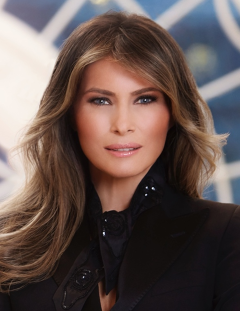
First Lady of the United States
Wikipedia
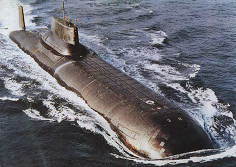
submarine
Wikipedia
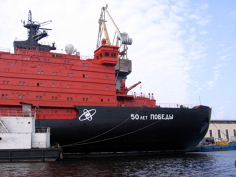
Nuclear marine propulsion
Wikipedia
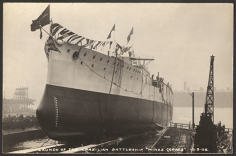
Ship naming and launching
Wikipedia
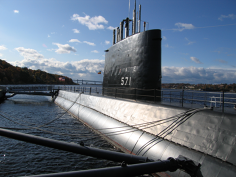
Groton, Connecticut
Wikipedia
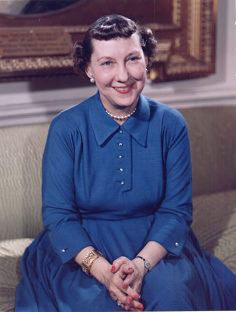
Mamie Eisenhower
Wikipedia
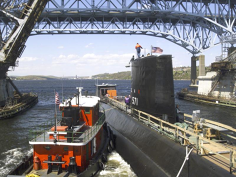
USS Nautilus (SSN-571)
Wikipedia

Nuclear marine propulsion
Wikipedia

USS Nautilus (SSN-571)
Wikipedia

Ceremonial ship launching
Wikipedia

Groton, Connecticut
Wikipedia

Mamie Eisenhower
Wikipedia

First Lady of the United States
Wikipedia
What Else Happened on January 21
Ibrahim's rebellion burned bright—and brief. Just months after launching his challenge to Abbasid authority, he lay dead on the dusty battlefield near Kufa, his…
Blood pooled in the dusty plains outside Kufa. The Alid rebellion—led by Muhammad ibn Abdullah—had gambled everything on this moment. But the Abbasid caliphate'…
Im Frieden von Gisors akzeptiert der englische König Heinrich II. den Verlust des Gebietes von Berry an den französischen König Philipp II.
Philip II of France and Richard I of England set aside their bitter territorial rivalries to mobilize their armies for the Third Crusade. This uneasy alliance r…
élection du pape Innocent V.
tropas aragonesas conquistan la isla de Menorca, en manos de los musulmanes.
Talk to History
Have a conversation with historical figures who witnessed this era. Ask questions, explore perspectives, and bring history to life.