First PC Virus: Brain Infiltrates Digital World
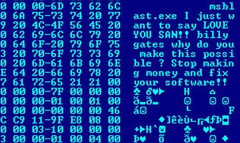
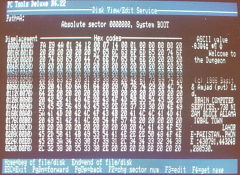
Two brothers in Lahore, Pakistan, inadvertently launched the age of computer viruses on January 19, 1986. Basit and Amjad Farooq Alvi, who ran a small computer shop and software business, created a program called Brain that spread through IBM PC-compatible computers via infected floppy disks. Their stated motive was not destruction but frustration: they were trying to punish customers who pirated the medical software they had written. Brain was a boot sector virus, meaning it installed itself in the portion of a floppy disk that the computer reads first when starting up. When a user inserted an infected disk and booted the machine, Brain copied itself into memory and then onto every subsequent floppy disk inserted into the computer. The virus replaced the disk's boot sector with its own code and moved the original boot sector to another location on the disk, marking those sectors as bad to prevent them from being overwritten. The infected disk still functioned normally in most cases, making the virus difficult to detect. What made Brain unusual, and what elevated it above a mere curiosity, was its geographic reach. The Alvi brothers had included their names, address, and phone number in the virus code, along with a message reading "Welcome to the Dungeon" and a copyright notice. They expected the virus to stay within their local customer base. Instead, it spread across international borders as infected disks were shared, copied, and carried by travelers. Within months, Brain had appeared on university campuses and businesses across the United States and Europe. The brothers were reportedly overwhelmed by the response. Their phone rang constantly with calls from infected users around the world demanding a fix. They later insisted they had intended no harm and had not anticipated the virus would spread so far. The distinction between intent and impact would become a recurring theme in cybersecurity. Brain was not technically the first self-replicating program. Academic experiments with computer viruses dated back to the early 1970s, and the Elk Cloner virus had spread among Apple II computers in 1982. But Brain was the first virus to infect IBM PCs, the platform that dominated personal computing, and its appearance marked the moment when computer viruses became a real-world problem rather than a theoretical concern. The antivirus industry that emerged in response to Brain and its successors grew into a multi-billion-dollar global market. The Alvi brothers still operate their computer business in Lahore.
January 19, 1986
40 years ago
Key Figures & Places

What Else Happened on January 19
Twelve legions. A single moment. When Gratian tapped Theodosius to command Rome's entire eastern frontier, he wasn't just promoting a general—he was handing ove…
Clovis II ascended the throne of Neustria and Burgundy at age five, following the death of his father, Dagobert I. His long minority empowered the palace mayors…
Twelve days into the siege, water ran low. The Kucha defenders watched their wells shrink, their hope evaporating faster than their precious liquid. Ashina She'…
Rouen surrendered to Henry V after a brutal six-month siege, placing the heart of Normandy under English control. This victory dismantled the last major bastion…
The Byzantine throne wasn't big enough for just one Palaiologos. John VIII, barely out of his teens, was thrust into imperial politics through a strategic marri…
A tiny Italian fortress, barely bigger than a village, stood no chance against the thundering French artillery. But Mirandola wasn't just any town—it was the pr…
Talk to History
Have a conversation with historical figures who witnessed this era. Ask questions, explore perspectives, and bring history to life.