

Salem Witch Trials Begin: A Doctor Blames Witchcraft
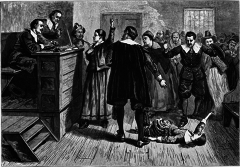
Dr. William Griggs couldn't find anything physically wrong with the girls. They screamed, threw things, contorted into impossible positions, complained of being pricked by invisible pins. So he gave the diagnosis available to him in 1692: bewitchment. The girls were nine and eleven. Within weeks, they'd accused three women. Within months, the accusations spread to over 200 people. Nineteen were hanged. One man was pressed to death with stones. The trials ended when the accusers started naming the governor's wife. A doctor's guess, made because he had no other explanation, killed twenty people in eight months.
February 8, 1692
334 years ago
Key Figures & Places


What Else Happened on February 8
Constantius III ascended to the throne as co-emperor of the Western Roman Empire, formalizing his transition from a dominant military general to a legitimate im…
Grégoire Ier est élu pape contre son gré par acclamation unanime du clergé et du peuple.
Mongol forces breached the walls of Vladimir, systematically incinerating the city and slaughtering its inhabitants inside the cathedral. This brutal conquest d…
The Seventh Crusade failed because Louis IX of France couldn't resist a tactical opportunity. His brother Robert charged the Egyptian camp at Al Mansurah withou…
The Byzantine civil war ended when both sides ran out of money to pay their armies. John VI Kantakouzenos had hired Turkish mercenaries. John V Palaiologos had …
dans la nuit du 8 selon une tradition populaire, les cloches d'une église rennaise jouxtant son rempart d'alors se mettent à sonner et des cierges à s'allumer s…
Talk to History
Have a conversation with historical figures who witnessed this era. Ask questions, explore perspectives, and bring history to life.