Cuban Embargo Begins: U.S. Isolates Castro
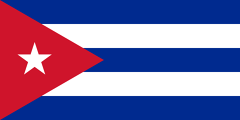
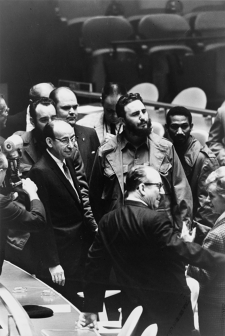
President John F. Kennedy signed Proclamation 3447 on February 3, 1962, imposing a near-total embargo on all trade between the United States and Cuba. The order, which took full effect on February 7, banned all imports of Cuban goods and prohibited American exports to the island except for certain foods and medicines. It was the most comprehensive economic sanction the United States had ever applied to a Western Hemisphere nation, and it remains in effect more than six decades later, the longest trade embargo in modern history. The embargo was the culmination of rapidly deteriorating relations following Fidel Castro’s revolution. After overthrowing the Batista dictatorship in 1959, Castro nationalized American-owned oil refineries, sugar mills, and other businesses worth roughly $1 billion without compensation. The Eisenhower administration responded by cutting the sugar import quota, then severing diplomatic relations in January 1961. The failed Bay of Pigs invasion in April 1961, a CIA-backed attempt to overthrow Castro using Cuban exiles, humiliated the Kennedy administration and pushed Castro further into the Soviet orbit. Kennedy expanded the sanctions in stages. First came a ban on Cuban imports in September 1961. Then, on February 3, 1962, the full embargo prohibited virtually all commercial transactions. The stated goal was to isolate the Castro regime economically and pressure it into democratic reforms or collapse. The embargo was tightened further after the Cuban Missile Crisis in October 1962, when the Soviet Union’s placement of nuclear missiles on the island brought the world to the brink of nuclear war. Cuba turned to the Soviet Union for trade, aid, and military support, receiving billions in annual subsidies that sustained the economy until the USSR’s collapse in 1991. The embargo survived the Cold War, the Soviet collapse, the deaths of multiple U.S. presidents and Castro himself, and brief periods of diplomatic thaw under Obama. Critics call it the longest-running failed policy in American foreign affairs. Supporters maintain it is moral leverage against a repressive regime. Cuba adapted; the embargo endured.
February 7, 1962
64 years ago
Key Figures & Places
What Else Happened on February 7
Leo I became emperor because the army couldn't agree on anyone. So they asked Aspar, a barbarian general who couldn't legally take the throne himself. He picked…
Leo I became emperor because the army commander didn't want the job. Aspar, an Alan general who effectively ran the Eastern Roman Empire, couldn't take the thro…
Two of Basil II's best generals turned on him at once. Bardas Phokas the Younger and Bardas Skleros — both from military aristocracy, both commanding armies, bo…
Pandulf IV of Benevento fell in battle against invading Norman forces at Montesarchio, ending his long, turbulent reign as the Prince of Benevento. His death cl…
Mongol forces razed the city of Vladimir, systematically slaughtering the inhabitants and incinerating the Cathedral of the Assumption. This brutal conquest sha…
Anti-Unionist clergy gathered at the Blachernae synod to formally condemn the former patriarch John XI of Constantinople for his support of the Council of Lyon.…
Talk to History
Have a conversation with historical figures who witnessed this era. Ask questions, explore perspectives, and bring history to life.