Treaty of Paris Signed: Spanish Empire Ends
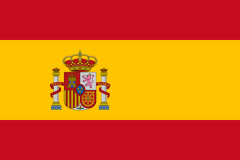
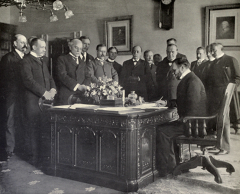
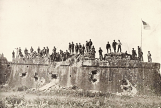
The Spanish Empire, which had once stretched across the Americas and the Pacific, effectively ended with a Senate vote on February 6, 1899. The United States ratified the Treaty of Paris by a margin of just one vote beyond the required two-thirds majority, 57-27, acquiring Cuba, Puerto Rico, Guam, and the Philippines from Spain. The price was $20 million for the Philippines. The larger cost was the transformation of the United States from a continental republic into a global imperial power. The Spanish-American War had lasted barely four months. Spain’s decrepit navy was annihilated at Manila Bay on May 1, 1898, and again off Santiago de Cuba on July 3. American forces occupied Manila, Santiago, and San Juan with relatively few combat casualties, though disease killed far more soldiers than Spanish bullets. The war had been propelled by sensationalist newspaper coverage of Spanish atrocities in Cuba, the mysterious sinking of the USS Maine in Havana Harbor, and expansionist ambitions championed by Theodore Roosevelt and the naval strategist Alfred Thayer Mahan. The treaty negotiations in Paris were conducted without representation from Cuba, the Philippines, Puerto Rico, or Guam. Spain ceded sovereignty over Cuba, which became nominally independent under heavy American influence. Puerto Rico and Guam became unincorporated U.S. territories. The Philippines posed the thorniest question: annexation meant the United States would be governing millions of people without their consent, a direct contradiction of the principles the republic claimed to represent. The Senate debate was fierce. Anti-imperialists including Mark Twain, Andrew Carnegie, and former President Grover Cleveland argued that colonialism violated the Constitution. Expansionists countered that strategic and economic interests demanded a Pacific presence. The Filipino people answered the question themselves by launching a war for independence against American occupation in February 1899, a conflict that lasted three years and killed hundreds of thousands.
February 6, 1899
127 years ago
Key Figures & Places

What Else Happened on February 6
Julius I became pope in 337 by waiting. The previous pope died. The Roman clergy wanted Julius. But Emperor Constantius II wanted someone else — someone who'd s…
Hormizd IV lost his throne because he tried to tax the nobility and protect Christians. His brothers-in-law led the coup — Vistahm and Vinduyih, both military c…
The Vatican needed eight years to figure out who controlled the Philippines' souls. Spain claimed it. Portugal said the islands fell on their side of the Pope's…
Charles II became king of exactly one-third of his supposed realm. Six days after his father's execution, Scotland's Parliament declared him monarch. England re…
James II ascended the throne following his brother Charles II’s death, immediately sparking intense political friction by openly practicing Catholicism in a sta…
Dandara of Palmares chose death over re-enslavement after her capture, cementing her status as a defiant symbol of resistance within Brazil’s Quilombo communiti…
Talk to History
Have a conversation with historical figures who witnessed this era. Ask questions, explore perspectives, and bring history to life.