
Treaty Signed: New Zealand Becomes British Colony
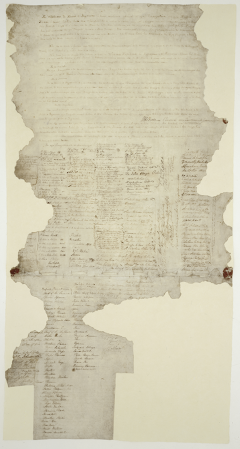
Captain William Hobson and approximately forty Maori chiefs signed the Treaty of Waitangi on February 6, 1840, a document intended to establish British sovereignty over New Zealand while protecting Maori rights. The treaty was drafted in English overnight and translated into Maori by missionary Henry Williams in a few hours. The resulting discrepancies between the two versions created a conflict that New Zealand is still attempting to resolve nearly two centuries later. Britain’s interest in New Zealand had been growing since Captain James Cook charted the islands in 1769. By the 1830s, European whalers, traders, and missionaries had established settlements along the coast, and the lawlessness of these communities alarmed both British officials and Maori leaders. France was also showing interest in colonization. The Colonial Office dispatched Hobson to negotiate a treaty that would bring order to European settlement while securing British control before the French could act. The English version of the treaty ceded sovereignty to the British Crown. The Maori version used the word "kawanatanga" (governance) rather than "mana" (sovereignty), a distinction that Maori signatories understood as granting the British administrative authority while retaining their own supreme power over their lands and people. Article Two guaranteed Maori "tino rangatiratanga" (full chieftainship) over their lands, forests, fisheries, and treasures, while the English version granted only an exclusive right of preemption, meaning Maori could sell land only to the Crown. The treaty was subsequently carried throughout New Zealand for additional signatures. Over five hundred Maori chiefs eventually signed, though some prominent chiefs refused. The practical reality that followed bore little resemblance to the promises made. European settlers flooded in, land was confiscated through wars and dubious purchases, and Maori communities were marginalized for over a century. The Waitangi Tribunal, established in 1975, has been hearing Maori grievances ever since. February 6 is New Zealand’s national day, but it remains deeply contested.
February 6, 1840
186 years ago
Key Figures & Places
United Kingdom
Wikipedia
New Zealand
Wikipedia
Treaty of Waitangi
Wikipedia
Treaty of Waitangi
Wikipedia
New Zealand
Wikipedia
Waitangi Day
Wikipedia
National day
Wikipedia
Día festivo
Wikipedia
1970
Wikipedia
1840
Wikipedia
Māori people
Wikipedia
Couronne (Commonwealth)
Wikipedia
Histoire de la Nouvelle-Zélande
Wikipedia
British Empire
Wikipedia
British
Wikipedia
What Else Happened on February 6
Julius I became pope in 337 by waiting. The previous pope died. The Roman clergy wanted Julius. But Emperor Constantius II wanted someone else — someone who'd s…
Hormizd IV lost his throne because he tried to tax the nobility and protect Christians. His brothers-in-law led the coup — Vistahm and Vinduyih, both military c…
The Vatican needed eight years to figure out who controlled the Philippines' souls. Spain claimed it. Portugal said the islands fell on their side of the Pope's…
Charles II became king of exactly one-third of his supposed realm. Six days after his father's execution, Scotland's Parliament declared him monarch. England re…
James II ascended the throne following his brother Charles II’s death, immediately sparking intense political friction by openly practicing Catholicism in a sta…
Dandara of Palmares chose death over re-enslavement after her capture, cementing her status as a defiant symbol of resistance within Brazil’s Quilombo communiti…
Talk to History
Have a conversation with historical figures who witnessed this era. Ask questions, explore perspectives, and bring history to life.