Today In History logo TIH

Today In History

September 18 in History

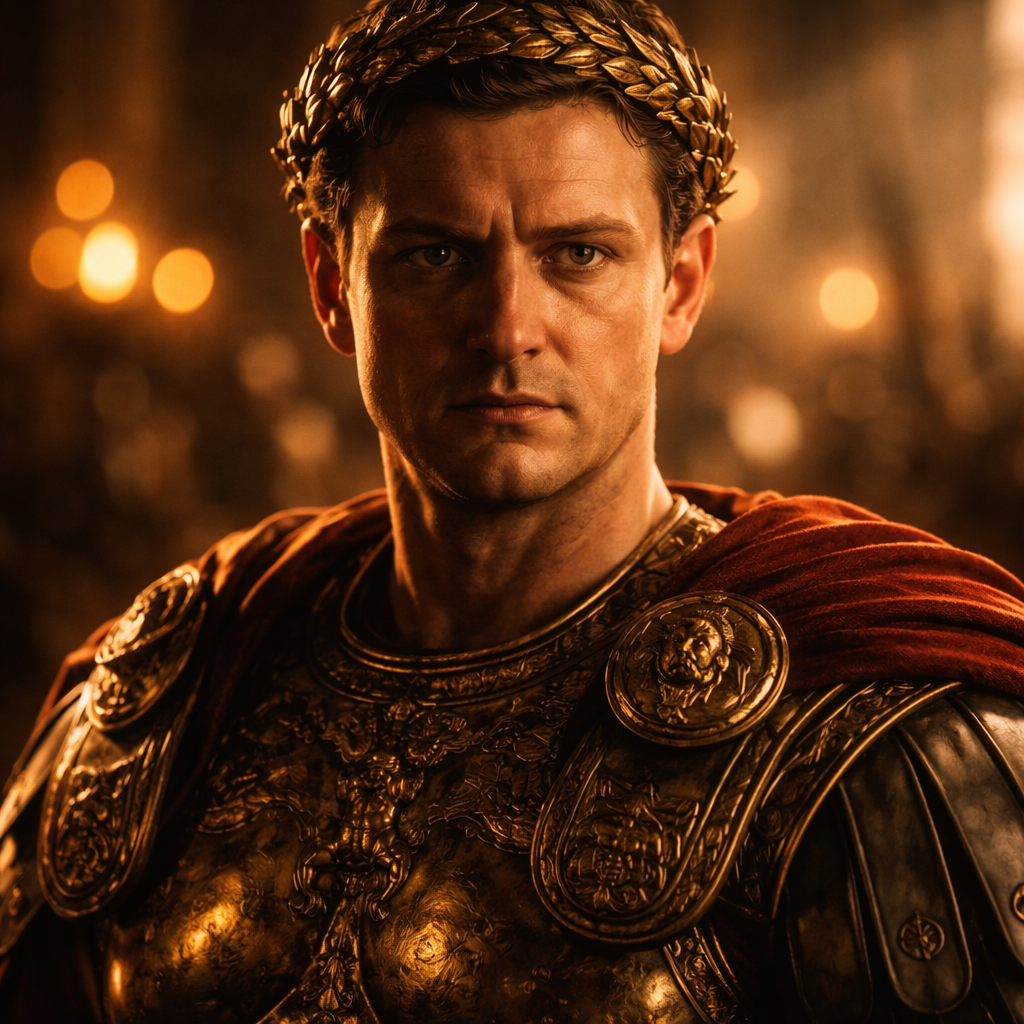
Your birthday shares the stage with stories that shaped the world. Born on this day: Trajan, Jada Pinkett Smith, and Joe Kubert.

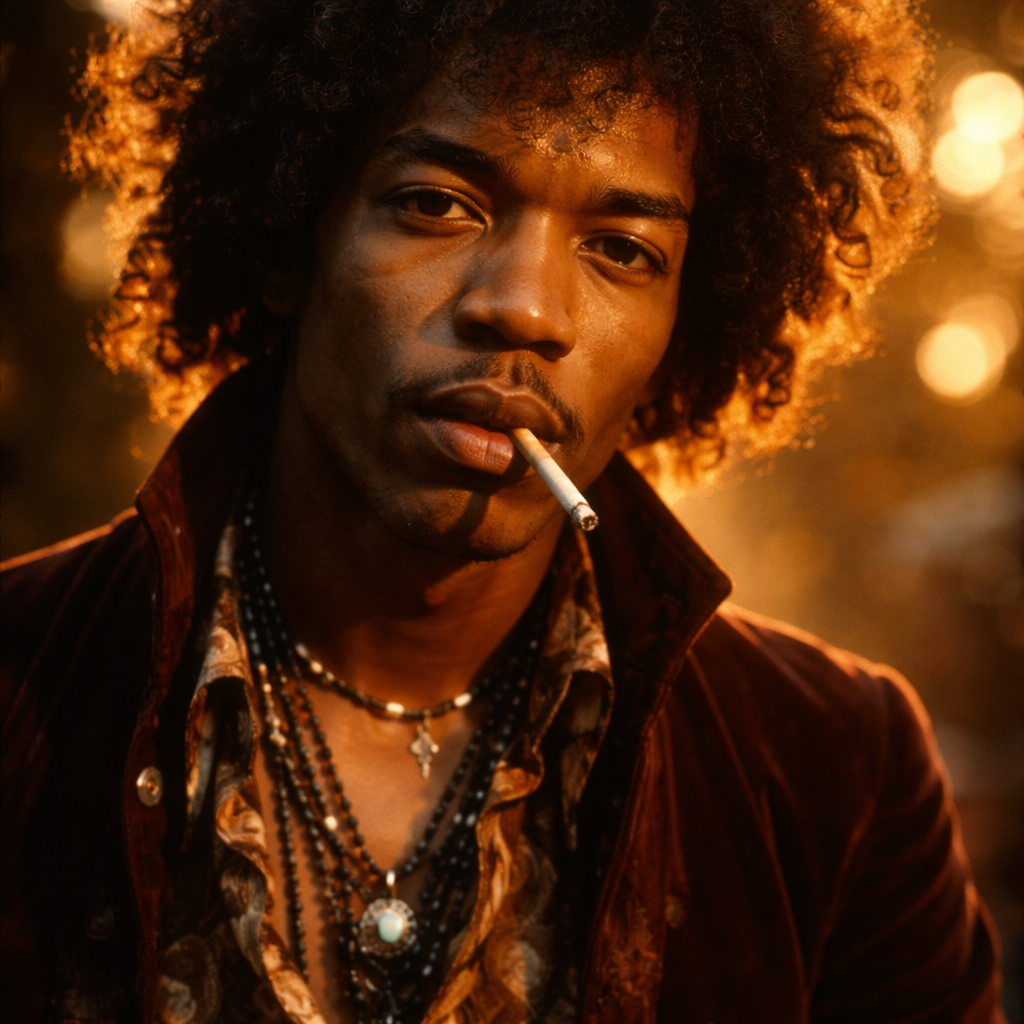
Hendrix Dies at 27: Guitar's Greatest Innovator Lost
1970Death

Hendrix Dies at 27: Guitar's Greatest Innovator Lost

Jimi Hendrix was found unresponsive in a basement flat at the Samarkand Hotel in London’s Notting Hill on the morning of September 18, 1970. He was twenty-seven years old. The cause of death was asphyxiation from inhaling vomit while intoxicated with barbiturates, and his passing robbed popular music of perhaps the most transformative instrumentalist it has ever produced. In barely four years of international fame, Hendrix had dismantled every assumption about what an electric guitar could sound like and rebuilt the instrument’s possibilities from the ground up. James Marshall Hendrix grew up in Seattle, teaching himself guitar as a teenager on a one-dollar acoustic his father bought from a friend. He served in the Army’s 101st Airborne Division, played the chitlin circuit backing Little Richard and the Isley Brothers, and drifted through New York’s Greenwich Village club scene before Chas Chandler, the bassist of the Animals, heard him play and brought him to London in September 1966. Within months, the Jimi Hendrix Experience, with bassist Noel Redding and drummer Mitch Mitchell, had conquered the British charts. His performance at the Monterey Pop Festival in June 1967, climaxing with him setting his guitar on fire, announced his arrival to the American audience. The albums that followed, "Are You Experienced," "Axis: Bold as Love," and "Electric Ladyland," expanded the vocabulary of rock music with feedback, wah-wah, distortion, and studio techniques that no one had heard before and that engineers did not always understand. His performance of "The Star-Spangled Banner" at Woodstock in August 1969 turned the national anthem into a howl of protest and longing that captured the Vietnam era’s anguish more powerfully than any speech or editorial. Hendrix spent the final months of his life in creative turmoil, dissolving the Experience, recording with new collaborators, and building Electric Lady Studios in Manhattan. His death, on the same date as the overdose that would kill his friend Janis Joplin sixteen days later, inaugurated the "27 Club" mythology. He left behind three studio albums, a handful of live recordings, and a legacy that every subsequent generation of guitarists has tried to absorb without ever quite matching.

Famous Birthdays

Trajan
Trajan

53–117

Joe Kubert

Joe Kubert

d. 2012

John McAfee

John McAfee

1945–2021

Ben Carson

Ben Carson

b. 1951

George Read

George Read

d. 1798

J. D. Tippit

J. D. Tippit

d. 1963

Seewoosagur Ramgoolam

Seewoosagur Ramgoolam

d. 1985

Xzibit

Xzibit

b. 1974

Historical Events

Jimi Hendrix was found unresponsive in a basement flat at the Samarkand Hotel in London’s Notting Hill on the morning of September 18, 1970. He was twenty-seven years old. The cause of death was asphyxiation from inhaling vomit while intoxicated with barbiturates, and his passing robbed popular music of perhaps the most transformative instrumentalist it has ever produced. In barely four years of international fame, Hendrix had dismantled every assumption about what an electric guitar could sound like and rebuilt the instrument’s possibilities from the ground up.

James Marshall Hendrix grew up in Seattle, teaching himself guitar as a teenager on a one-dollar acoustic his father bought from a friend. He served in the Army’s 101st Airborne Division, played the chitlin circuit backing Little Richard and the Isley Brothers, and drifted through New York’s Greenwich Village club scene before Chas Chandler, the bassist of the Animals, heard him play and brought him to London in September 1966. Within months, the Jimi Hendrix Experience, with bassist Noel Redding and drummer Mitch Mitchell, had conquered the British charts.

His performance at the Monterey Pop Festival in June 1967, climaxing with him setting his guitar on fire, announced his arrival to the American audience. The albums that followed, "Are You Experienced," "Axis: Bold as Love," and "Electric Ladyland," expanded the vocabulary of rock music with feedback, wah-wah, distortion, and studio techniques that no one had heard before and that engineers did not always understand. His performance of "The Star-Spangled Banner" at Woodstock in August 1969 turned the national anthem into a howl of protest and longing that captured the Vietnam era’s anguish more powerfully than any speech or editorial.

Hendrix spent the final months of his life in creative turmoil, dissolving the Experience, recording with new collaborators, and building Electric Lady Studios in Manhattan. His death, on the same date as the overdose that would kill his friend Janis Joplin sixteen days later, inaugurated the "27 Club" mythology. He left behind three studio albums, a handful of live recordings, and a legacy that every subsequent generation of guitarists has tried to absorb without ever quite matching.
1970

Jimi Hendrix was found unresponsive in a basement flat at the Samarkand Hotel in London’s Notting Hill on the morning of September 18, 1970. He was twenty-seven years old. The cause of death was asphyxiation from inhaling vomit while intoxicated with barbiturates, and his passing robbed popular music of perhaps the most transformative instrumentalist it has ever produced. In barely four years of international fame, Hendrix had dismantled every assumption about what an electric guitar could sound like and rebuilt the instrument’s possibilities from the ground up. James Marshall Hendrix grew up in Seattle, teaching himself guitar as a teenager on a one-dollar acoustic his father bought from a friend. He served in the Army’s 101st Airborne Division, played the chitlin circuit backing Little Richard and the Isley Brothers, and drifted through New York’s Greenwich Village club scene before Chas Chandler, the bassist of the Animals, heard him play and brought him to London in September 1966. Within months, the Jimi Hendrix Experience, with bassist Noel Redding and drummer Mitch Mitchell, had conquered the British charts. His performance at the Monterey Pop Festival in June 1967, climaxing with him setting his guitar on fire, announced his arrival to the American audience. The albums that followed, "Are You Experienced," "Axis: Bold as Love," and "Electric Ladyland," expanded the vocabulary of rock music with feedback, wah-wah, distortion, and studio techniques that no one had heard before and that engineers did not always understand. His performance of "The Star-Spangled Banner" at Woodstock in August 1969 turned the national anthem into a howl of protest and longing that captured the Vietnam era’s anguish more powerfully than any speech or editorial. Hendrix spent the final months of his life in creative turmoil, dissolving the Experience, recording with new collaborators, and building Electric Lady Studios in Manhattan. His death, on the same date as the overdose that would kill his friend Janis Joplin sixteen days later, inaugurated the "27 Club" mythology. He left behind three studio albums, a handful of live recordings, and a legacy that every subsequent generation of guitarists has tried to absorb without ever quite matching.

The French garrison of Quebec City surrendered to the British on September 18, 1759, five days after the Battle of the Plains of Abraham had shattered France’s ability to hold its most important fortress in North America. The capitulation handed Britain control of the St. Lawrence River and effectively ended 150 years of French colonial dominion over Canada. Both commanding generals who fought for the city were already dead.

The fall of Quebec was the culmination of a months-long campaign during the Seven Years’ War. Major General James Wolfe had sailed up the St. Lawrence in June with 8,500 troops and a naval squadron, but the cliffs and fortifications protecting Quebec seemed impregnable. Wolfe spent the summer bombarding the Lower Town into rubble, raiding surrounding parishes, and launching failed assaults at Montmorency Falls. By early September, with the campaigning season ending, he conceived the desperate plan to scale the cliffs at Anse-au-Foulon west of the city.

The gambit succeeded spectacularly. British troops climbed the narrow path in darkness on September 13 and formed a battle line on the plains above. The Marquis de Montcalm, rather than waiting behind Quebec’s walls for reinforcements that were nearby, attacked with his regular troops and militia. The resulting battle lasted roughly thirty minutes. A devastating British volley at close range broke the French charge, and Montcalm’s army retreated in disorder. Both Wolfe and Montcalm died of their wounds.

The French garrison commander, Jean-Baptiste-Nicolas-Roch de Ramezay, held out for five days as supplies dwindled and morale collapsed. A relief force under Chevalier de Levis was marching toward Quebec, but Ramezay, unaware of its approach and facing pressure from the city’s civilian leaders, negotiated surrender terms on September 18. The city’s residents were guaranteed their property, religious freedom, and civil rights under British rule, terms that shaped the bilingual and bicultural character of Canada. The Treaty of Paris in 1763 formally transferred all of New France to Britain, an outcome that made the American Revolution possible by removing the French threat that had kept the thirteen colonies dependent on British military protection.
1759

The French garrison of Quebec City surrendered to the British on September 18, 1759, five days after the Battle of the Plains of Abraham had shattered France’s ability to hold its most important fortress in North America. The capitulation handed Britain control of the St. Lawrence River and effectively ended 150 years of French colonial dominion over Canada. Both commanding generals who fought for the city were already dead. The fall of Quebec was the culmination of a months-long campaign during the Seven Years’ War. Major General James Wolfe had sailed up the St. Lawrence in June with 8,500 troops and a naval squadron, but the cliffs and fortifications protecting Quebec seemed impregnable. Wolfe spent the summer bombarding the Lower Town into rubble, raiding surrounding parishes, and launching failed assaults at Montmorency Falls. By early September, with the campaigning season ending, he conceived the desperate plan to scale the cliffs at Anse-au-Foulon west of the city. The gambit succeeded spectacularly. British troops climbed the narrow path in darkness on September 13 and formed a battle line on the plains above. The Marquis de Montcalm, rather than waiting behind Quebec’s walls for reinforcements that were nearby, attacked with his regular troops and militia. The resulting battle lasted roughly thirty minutes. A devastating British volley at close range broke the French charge, and Montcalm’s army retreated in disorder. Both Wolfe and Montcalm died of their wounds. The French garrison commander, Jean-Baptiste-Nicolas-Roch de Ramezay, held out for five days as supplies dwindled and morale collapsed. A relief force under Chevalier de Levis was marching toward Quebec, but Ramezay, unaware of its approach and facing pressure from the city’s civilian leaders, negotiated surrender terms on September 18. The city’s residents were guaranteed their property, religious freedom, and civil rights under British rule, terms that shaped the bilingual and bicultural character of Canada. The Treaty of Paris in 1763 formally transferred all of New France to Britain, an outcome that made the American Revolution possible by removing the French threat that had kept the thirteen colonies dependent on British military protection.

1950

TV Tupi Difusora began broadcasting on Channel 3 in Sao Paulo, making Brazil the fourth country in the world to establish regular television service. The station's launch transformed Brazilian media and culture, creating a national appetite for televised entertainment that would eventually produce the telenovela industry, Latin America's most influential cultural export. The inaugural broadcast on September 18, 1950, was organized by Assis Chateaubriand, a Brazilian media magnate who had imported RCA television equipment from the United States and distributed 200 television sets across Sao Paulo so people could watch the first transmission. The broadcast included musical performances and speeches, reaching an audience estimated at only a few thousand viewers. Brazil was behind only the United States, the United Kingdom, and France in establishing regular television service, a remarkable achievement for a developing country. Chateaubriand's Diarios Associados media empire funded the station during its early years, when the small number of television sets in Brazil made commercial advertising insufficient to cover costs. TV Tupi's programming pioneered formats that would become staples of Brazilian television: variety shows, news broadcasts, and the early telenovelas, serialized dramas that combined romance, social commentary, and melodrama into nightly episodes. The telenovela format, refined by Brazilian broadcasters over the following decades, became the country's most significant cultural export, with Brazilian productions sold to over 130 countries. TV Tupi itself went bankrupt in 1980, but its legacy as the launching pad for Brazil's television industry, now one of the largest and most influential in the world, is secure.

1950

U.S. Eighth Army and United Nations forces smashed through North Korean lines and broke out of the Pusan Perimeter, linking up with MacArthur's Inchon landing force to trap the overextended enemy. The coordinated offensive reversed the war's momentum within days, liberating Seoul and pushing the shattered North Korean army back across the 38th parallel. The breakout began on September 16, 1950, one day after MacArthur's audacious amphibious landing at Inchon, 150 miles behind enemy lines. The Eighth Army, commanded by General Walton Walker, had been holding the Pusan Perimeter for six weeks against continuous North Korean attacks. The perimeter, roughly 140 miles long and 80 miles deep, represented the last foothold of the UN forces on the Korean peninsula. Walker's breakout was timed to coincide with the Inchon landing, creating a pincer movement that would cut North Korean supply lines and trap their forces between two advancing armies. The North Korean army, which had committed nearly all its combat power to the assault on the perimeter, suddenly found itself cut off from its logistics base. The retreat became a rout as North Korean units, running out of ammunition and fuel, broke apart under combined ground and air attack. Within two weeks, UN forces had recaptured Seoul and crossed the 38th parallel into North Korea, pursuing what appeared to be total victory. The rapid reversal from desperate defense to triumphant advance was one of the most dramatic in modern military history, though the subsequent Chinese intervention in November would transform the war yet again.

FBI agents arrested Patty Hearst in a San Francisco apartment on September 18, 1975, nineteen months after the newspaper heiress had been kidnapped from her Berkeley home by a tiny revolutionary group and twelve months after she appeared on a security camera carrying a carbine during a bank robbery. The case had transfixed the nation, raising questions about brainwashing, privilege, and the boundaries of criminal responsibility that remain unresolved.

The Symbionese Liberation Army, a ragtag band of self-styled urban guerrillas led by an escaped convict named Donald DeFreeze, abducted the nineteen-year-old granddaughter of publishing magnate William Randolph Hearst on February 4, 1974. They locked her in a closet for weeks, subjected her to physical and psychological abuse, and demanded that her family distribute millions of dollars in food to the poor. The Hearst family complied, funding a chaotic food giveaway that devolved into near-riots.

Then, on April 15, a security camera at the Hibernia Bank in San Francisco captured an image that stunned the country: Hearst, now calling herself Tania, brandishing a weapon alongside her captors during a robbery. Audiotapes released by the SLA featured Hearst denouncing her family as "the corporate ruling class" and declaring her allegiance to the revolution. The question of whether she was a willing participant or a victim of coercive persuasion became the central drama of the case.

Six SLA members, including DeFreeze, died in a televised Los Angeles shootout with police in May 1974. Hearst and two surviving members went underground, living in safe houses across the country. After her arrest, defense attorney F. Lee Bailey argued that Hearst had been brainwashed through isolation, terror, and indoctrination techniques comparable to those used on Korean War prisoners. The prosecution countered that she had multiple opportunities to escape and chose not to take them. A jury convicted her of bank robbery in March 1976. She served twenty-two months before President Carter commuted her sentence, and President Clinton issued a full pardon in 2001.
1975

FBI agents arrested Patty Hearst in a San Francisco apartment on September 18, 1975, nineteen months after the newspaper heiress had been kidnapped from her Berkeley home by a tiny revolutionary group and twelve months after she appeared on a security camera carrying a carbine during a bank robbery. The case had transfixed the nation, raising questions about brainwashing, privilege, and the boundaries of criminal responsibility that remain unresolved. The Symbionese Liberation Army, a ragtag band of self-styled urban guerrillas led by an escaped convict named Donald DeFreeze, abducted the nineteen-year-old granddaughter of publishing magnate William Randolph Hearst on February 4, 1974. They locked her in a closet for weeks, subjected her to physical and psychological abuse, and demanded that her family distribute millions of dollars in food to the poor. The Hearst family complied, funding a chaotic food giveaway that devolved into near-riots. Then, on April 15, a security camera at the Hibernia Bank in San Francisco captured an image that stunned the country: Hearst, now calling herself Tania, brandishing a weapon alongside her captors during a robbery. Audiotapes released by the SLA featured Hearst denouncing her family as "the corporate ruling class" and declaring her allegiance to the revolution. The question of whether she was a willing participant or a victim of coercive persuasion became the central drama of the case. Six SLA members, including DeFreeze, died in a televised Los Angeles shootout with police in May 1974. Hearst and two surviving members went underground, living in safe houses across the country. After her arrest, defense attorney F. Lee Bailey argued that Hearst had been brainwashed through isolation, terror, and indoctrination techniques comparable to those used on Korean War prisoners. The prosecution countered that she had multiple opportunities to escape and chose not to take them. A jury convicted her of bank robbery in March 1976. She served twenty-two months before President Carter commuted her sentence, and President Clinton issued a full pardon in 2001.

Emperor Domitian was stabbed to death in his bedroom on September 18, AD 96, by a group of court officials and freedmen who had concluded that the increasingly paranoid ruler intended to have them killed. The assassination ended the Flavian dynasty, which had ruled Rome since Domitian’s father Vespasian seized power in the civil wars of AD 69, and ushered in the reign of Nerva, the first of the so-called Five Good Emperors who presided over Rome’s golden age.

Domitian had ruled for fifteen years, and his record was deeply contradictory. He was an efficient administrator who managed the empire’s finances carefully, raised soldiers’ pay, launched ambitious building projects including the reconstruction of Rome after the great fire of AD 80, and conducted successful military campaigns along the Rhine and Danube frontiers. He was also a controlling autocrat who demanded to be addressed as "Dominus et Deus," Lord and God, and who prosecuted suspected opponents with a ferocity that alienated the senatorial class and eventually his own household staff.

The conspiracy that killed him included his niece’s steward Stephanus, the head of the emperor’s bedchamber Parthenius, and members of the Praetorian Guard. Stephanus, who had been accused of embezzlement and faced probable execution, wrapped his arm in bandages for several days, claiming an injury, to conceal a hidden dagger. He approached Domitian with a document purporting to reveal a conspiracy, and when the emperor began reading, Stephanus stabbed him in the groin. Domitian fought back, but the other conspirators rushed in to finish the killing.

The Senate immediately condemned Domitian’s memory, ordering his name removed from public inscriptions and his statues torn down, a process known as damnatio memoriae. Nerva, a respected elderly senator with no military reputation and no surviving children, was proclaimed emperor the same day, almost certainly through prior arrangement with the plotters. His adoption of the general Trajan as successor established the adoptive principle that produced the empire’s most capable rulers across the next century. Roman historians, particularly Tacitus and Pliny the Younger, painted Domitian as a tyrant, though modern scholarship has partially rehabilitated his administrative achievements while acknowledging the terror of his final years.
96

Emperor Domitian was stabbed to death in his bedroom on September 18, AD 96, by a group of court officials and freedmen who had concluded that the increasingly paranoid ruler intended to have them killed. The assassination ended the Flavian dynasty, which had ruled Rome since Domitian’s father Vespasian seized power in the civil wars of AD 69, and ushered in the reign of Nerva, the first of the so-called Five Good Emperors who presided over Rome’s golden age. Domitian had ruled for fifteen years, and his record was deeply contradictory. He was an efficient administrator who managed the empire’s finances carefully, raised soldiers’ pay, launched ambitious building projects including the reconstruction of Rome after the great fire of AD 80, and conducted successful military campaigns along the Rhine and Danube frontiers. He was also a controlling autocrat who demanded to be addressed as "Dominus et Deus," Lord and God, and who prosecuted suspected opponents with a ferocity that alienated the senatorial class and eventually his own household staff. The conspiracy that killed him included his niece’s steward Stephanus, the head of the emperor’s bedchamber Parthenius, and members of the Praetorian Guard. Stephanus, who had been accused of embezzlement and faced probable execution, wrapped his arm in bandages for several days, claiming an injury, to conceal a hidden dagger. He approached Domitian with a document purporting to reveal a conspiracy, and when the emperor began reading, Stephanus stabbed him in the groin. Domitian fought back, but the other conspirators rushed in to finish the killing. The Senate immediately condemned Domitian’s memory, ordering his name removed from public inscriptions and his statues torn down, a process known as damnatio memoriae. Nerva, a respected elderly senator with no military reputation and no surviving children, was proclaimed emperor the same day, almost certainly through prior arrangement with the plotters. His adoption of the general Trajan as successor established the adoptive principle that produced the empire’s most capable rulers across the next century. Roman historians, particularly Tacitus and Pliny the Younger, painted Domitian as a tyrant, though modern scholarship has partially rehabilitated his administrative achievements while acknowledging the terror of his final years.

Ruth Bader Ginsburg was rejected by every law firm she applied to after graduating first in her class from Columbia Law School in 1959. She was a woman, she was Jewish, and she was a mother: three strikes. She ended up teaching law instead. Her strategy for dismantling gender discrimination in the courts was deliberate: she selected cases involving men discriminated against by gender-based laws, calculating that male judges would find those easier to sympathize with. It worked. By the time she joined the Supreme Court in 1993, the legal architecture of sex discrimination had been fundamentally altered by her earlier work. She died in September 2020, six weeks before a presidential election. Born Joan Ruth Bader in Brooklyn in 1933, she was the daughter of a furrier and a garment factory worker. Her mother, who never attended college, instilled in her the value of education and independence. Ginsburg attended Cornell, where she met Martin Ginsburg, and then Harvard Law School, where she was one of nine women in a class of 500. She transferred to Columbia when Martin took a job in New York. Despite her academic achievements, no New York law firm would hire her, and even Justice Felix Frankfurter refused to hire her as a clerk because she was a woman. She taught at Rutgers and Columbia law schools before co-founding the ACLU's Women's Rights Project in 1972, where she argued six landmark gender discrimination cases before the Supreme Court, winning five. Her deliberate strategy of choosing male plaintiffs to demonstrate that gender-based legal distinctions harmed everyone was tactically brilliant: it forced the Court to establish precedents that applied regardless of which gender was affected. President Clinton appointed her to the Supreme Court in 1993, where she served for 27 years and became a cultural icon, known as "Notorious RBG."
2020

Ruth Bader Ginsburg was rejected by every law firm she applied to after graduating first in her class from Columbia Law School in 1959. She was a woman, she was Jewish, and she was a mother: three strikes. She ended up teaching law instead. Her strategy for dismantling gender discrimination in the courts was deliberate: she selected cases involving men discriminated against by gender-based laws, calculating that male judges would find those easier to sympathize with. It worked. By the time she joined the Supreme Court in 1993, the legal architecture of sex discrimination had been fundamentally altered by her earlier work. She died in September 2020, six weeks before a presidential election. Born Joan Ruth Bader in Brooklyn in 1933, she was the daughter of a furrier and a garment factory worker. Her mother, who never attended college, instilled in her the value of education and independence. Ginsburg attended Cornell, where she met Martin Ginsburg, and then Harvard Law School, where she was one of nine women in a class of 500. She transferred to Columbia when Martin took a job in New York. Despite her academic achievements, no New York law firm would hire her, and even Justice Felix Frankfurter refused to hire her as a clerk because she was a woman. She taught at Rutgers and Columbia law schools before co-founding the ACLU's Women's Rights Project in 1972, where she argued six landmark gender discrimination cases before the Supreme Court, winning five. Her deliberate strategy of choosing male plaintiffs to demonstrate that gender-based legal distinctions harmed everyone was tactically brilliant: it forced the Court to establish precedents that applied regardless of which gender was affected. President Clinton appointed her to the Supreme Court in 1993, where she served for 27 years and became a cultural icon, known as "Notorious RBG."

324

Licinius had ruled the eastern half of the Roman Empire for years, but Constantine had been closing the distance. The Battle of Chrysopolis on September 18, 324 was the final reckoning — roughly 130,000 of Licinius's men against Constantine's force near modern Üsküdar in Turkey. Licinius surrendered, was exiled to Thessalonica, and was executed within a year despite a personal promise from Constantine to spare him. Constantine then ruled the entire empire alone. He'd convert to Christianity and move the capital east to Byzantium — a city he would rename after himself.

1454

The Teutonic Knights routed the Polish army at Chojnice early in the Thirteen Years' War, capturing thousands of soldiers and several nobles in a crushing defeat that shattered Poland's regular military forces. King Casimir IV was forced to rely on mercenary companies and urban militias from Prussia's rebellious cities for the remainder of the conflict, fundamentally changing the character of the war. The shift to mercenary warfare drained the treasury but ultimately outlasted the Teutonic Order's capacity to sustain long campaigns.

1544

Juan Bautista Pastene's expedition made landfall in San Pedro Bay in September 1544, formally claiming southern Chile for the Spanish Crown. The landing established Spain's first presence south of the Maule River, extending colonial control into territory held by the Mapuche confederation. Decades of fierce resistance followed as the Mapuche defended their homeland against Spanish encroachment in what became the longest colonial conflict in the Americas.

1810

The men who formed Chile's first governing junta in 1810 were careful to say the right thing: they were simply holding power in trust for the Spanish king, imprisoned by Napoleon. They wore loyalty like a disguise. But they immediately began trading independently, building local institutions, and squeezing out Spanish-born officials. Spain saw through it immediately. What started as a polite legal fiction on September 18 became a declaration of independence six years later — and Chileans celebrate this date as their national day.

The fire that consumed Moscow burned for three days before dying down on September 18, 1812, leaving Napoleon in possession of a charred skeleton where Russia’s ancient capital had stood. More than three-quarters of the city’s buildings were destroyed, including palaces, churches, hospitals, and the vast wooden neighborhoods where ordinary Muscovites lived. The Grande Armee, which had marched 600 miles to seize Moscow as a bargaining chip, found itself holding a ruin that offered neither shelter nor sustenance for the approaching winter.

The fires began within hours of the French entry on September 14, and their origin remains a matter of debate. Napoleon blamed Russian incendiaries, and considerable evidence supports this: Moscow’s governor, Count Rostopchin, had ordered the evacuation of fire-fighting equipment, the opening of prisons, and the distribution of combustible materials before the French arrived. Russian patriotic tradition celebrates the burning as a deliberate sacrifice, though Rostopchin himself gave contradictory accounts over the years. French soldiers also contributed through looting and carelessness, and some fires may have started accidentally in a largely wooden city that had lost its firefighting capacity.

Napoleon watched the conflagration from the Kremlin before being forced to evacuate to the Petrovsky Palace on the city’s outskirts when flames encircled the fortress. His officers described streets turned into tunnels of fire, with superheated winds creating tornado-like vortices that hurled burning debris across the city. When the fires finally subsided, an estimated 6,500 of Moscow’s 9,000 buildings had been reduced to ash.

The destruction denied Napoleon everything he had expected from his conquest. He had anticipated wintering his army in the city, using Moscow’s food stores, hospitals, and warehouses to resupply his exhausted troops, and negotiating from a position of strength. Instead, his soldiers starved and froze in the ruins while Tsar Alexander ignored every peace overture. After five weeks of waiting, Napoleon ordered the retreat on October 19. The march back through the Russian winter killed the vast majority of his remaining soldiers and marked the beginning of the end for his empire.
1812

The fire that consumed Moscow burned for three days before dying down on September 18, 1812, leaving Napoleon in possession of a charred skeleton where Russia’s ancient capital had stood. More than three-quarters of the city’s buildings were destroyed, including palaces, churches, hospitals, and the vast wooden neighborhoods where ordinary Muscovites lived. The Grande Armee, which had marched 600 miles to seize Moscow as a bargaining chip, found itself holding a ruin that offered neither shelter nor sustenance for the approaching winter. The fires began within hours of the French entry on September 14, and their origin remains a matter of debate. Napoleon blamed Russian incendiaries, and considerable evidence supports this: Moscow’s governor, Count Rostopchin, had ordered the evacuation of fire-fighting equipment, the opening of prisons, and the distribution of combustible materials before the French arrived. Russian patriotic tradition celebrates the burning as a deliberate sacrifice, though Rostopchin himself gave contradictory accounts over the years. French soldiers also contributed through looting and carelessness, and some fires may have started accidentally in a largely wooden city that had lost its firefighting capacity. Napoleon watched the conflagration from the Kremlin before being forced to evacuate to the Petrovsky Palace on the city’s outskirts when flames encircled the fortress. His officers described streets turned into tunnels of fire, with superheated winds creating tornado-like vortices that hurled burning debris across the city. When the fires finally subsided, an estimated 6,500 of Moscow’s 9,000 buildings had been reduced to ash. The destruction denied Napoleon everything he had expected from his conquest. He had anticipated wintering his army in the city, using Moscow’s food stores, hospitals, and warehouses to resupply his exhausted troops, and negotiating from a position of strength. Instead, his soldiers starved and froze in the ruins while Tsar Alexander ignored every peace overture. After five weeks of waiting, Napoleon ordered the retreat on October 19. The march back through the Russian winter killed the vast majority of his remaining soldiers and marked the beginning of the end for his empire.

1837

When Charles Lewis Tiffany opened his store in New York City in 1837, he made $4.98 in sales on the first day and called it a success. The shop sold stationery, porcelain, and glass — not jewelry. Tiffany didn't pivot to gems until years later. The signature blue color came before the diamonds: that particular robin's-egg shade appeared on the cover of their first catalog in 1845. Nobody knows exactly who chose it. The color is now trademarked, and the shade is literally called "Tiffany Blue."

1850

The Fugitive Slave Act of 1850 didn't just apply to the South — it required Northern citizens to actively assist in capturing and returning escaped enslaved people or face fines and jail time. Federal commissioners were paid $10 for every person returned to slavery, $5 if they ruled in favor of the accused. It was, in effect, a law that made complicity mandatory. Abolitionists called it the "Bloodhound Bill." It radicalized thousands of Northerners who'd stayed neutral — and helped fill the ranks of the Underground Railroad.

1860

Anglo-French forces smashed through a larger Qing army at Zhangjiawan on September 18, 1860, clearing the road to Beijing during the Second Opium War. The outnumbered allied troops used superior artillery and discipline to rout the defending Chinese cavalry and infantry. Beijing fell days later, and the victorious forces looted and burned the Old Summer Palace in reprisal. The defeat forced China to sign the Convention of Peking, ceding Kowloon and opening additional ports to foreign trade.

Fun Facts

Zodiac Sign

Virgo

Aug 23 -- Sep 22

Earth sign. Analytical, kind, and hardworking.

Birthstone

Sapphire

Blue

Symbolizes truth, sincerity, and faithfulness.

Next Birthday

--

days until September 18

Quote of the Day

“Every one of us lives his life just once; if we are honest, to live once is enough.”

Share Your Birthday

Create a beautiful birthday card with events and famous birthdays for September 18.

Create Birthday Card

Explore Nearby Dates

Popular Dates

Explore more about September 18 in history. See the full date page for all events, browse September, or look up another birthday. Play history games or talk to historical figures.