

Streptomycin Isolated: First TB Cure Found
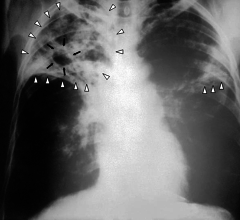
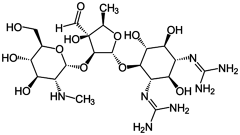
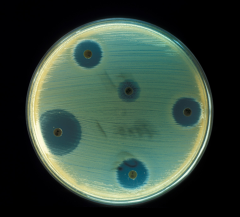
Albert Schatz, a 23-year-old graduate student working in the basement laboratory of Rutgers University, isolated streptomycin on October 19, 1943, discovering the first antibiotic effective against tuberculosis — a disease that had killed approximately one billion people over the preceding two centuries. The discovery marked the beginning of the end for the "white plague" that had been humanity's most persistent infectious killer. Schatz worked under Selman Waksman, a soil microbiologist who had developed a systematic approach to screening soil bacteria for antibiotic properties. Waksman's lab had already discovered several antimicrobial compounds produced by soil-dwelling Streptomyces bacteria, but none had proven effective against tuberculosis. Schatz, working with samples of Streptomyces griseus isolated from a farm field and from the throat of a sick chicken, identified a compound that killed Mycobacterium tuberculosis in laboratory cultures. The significance was enormous. Tuberculosis killed roughly 1.5 million Americans in the first half of the twentieth century alone. The disease filled sanitariums across the country and was a leading cause of death worldwide. Penicillin, discovered in 1928 and mass-produced during World War II, was ineffective against TB. Streptomycin was the first drug that could actually cure the disease, and clinical trials quickly confirmed its effectiveness. The aftermath was marred by one of the most notorious credit disputes in scientific history. Waksman claimed sole credit for the discovery, and Rutgers University negotiated a patent that listed only Waksman as the inventor. Schatz sued and ultimately won acknowledgment as co-discoverer, but Waksman alone received the 1952 Nobel Prize in Physiology or Medicine. The injustice haunted Schatz for the rest of his career. Regardless of the credit dispute, streptomycin transformed medicine. Combined with later drugs in multi-drug regimens, it reduced TB mortality in developed nations by more than 90 percent within two decades and remains part of the World Health Organization's treatment protocols today.
October 19, 1943
83 years ago
Key Figures & Places
tuberculosis
Wikipedia
Rutgers University
Wikipedia
Streptomycin
Wikipedia
antibiotic
Wikipedia

Streptomycin
Wikipedia

Albert Schatz (scientist)
Wikipedia

Antibiótico
Wikipedia

Tuberculosis
Wikipedia

Selman Waksman
Wikipedia
Anexo:Ganadores del Premio Nobel de Fisiología o Medicina
Wikipedia

Rutgers University
Wikipedia
What Else Happened on October 19

Hannibal Barca, the Carthaginian general who had terrorized Rome for fifteen years, met his match at Zama in 202 BC when a younger Roman commander named Scipio …
King Gaiseric led his Vandal forces into Carthage, seizing the city without a fight after years of relentless pressure on Roman North Africa. By capturing this …
King John succumbed to dysentery at Newark-on-Trent, ending a disastrous reign defined by the loss of French territories and the forced signing of the Magna Car…
Heidelberg University held its first lecture on October 18, 1386. The Elector Palatine founded it after a theological dispute got his scholars expelled from Par…

French forces recaptured Bordeaux on October 19, 1453, and the Hundred Years' War — which had actually lasted 116 years — finally ground to a close. England ret…
Bordeaux surrendered to French forces on this day, ending the Hundred Years' War. By losing its final foothold in Aquitaine, England retreated from the continen…
Talk to History
Have a conversation with historical figures who witnessed this era. Ask questions, explore perspectives, and bring history to life.