

Black Hawk Down: 18 Americans Killed in Mogadishu
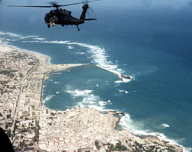
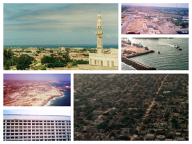
Two Black Hawk helicopters spiraled into the streets of Mogadishu on the afternoon of October 3, 1993, and a planned thirty-minute snatch operation collapsed into seventeen hours of urban warfare. Eighteen American soldiers, one Malaysian peacekeeper, and an estimated 500 to 1,500 Somali fighters and civilians died in the bloodiest combat involving U.S. forces since the Vietnam War. Task Force Ranger — comprising Delta Force operators, Army Rangers, and 160th Special Operations Aviation Regiment pilots — had been deployed to capture key lieutenants of warlord Mohamed Farrah Aidid, whose militia had been ambushing UN peacekeepers and blocking food distribution in the famine-ravaged country. The mission targeted a meeting of Aidid's associates at the Olympic Hotel near Mogadishu's Bakara Market. The initial assault went according to plan; the targets were captured within minutes. Then everything unraveled. A rocket-propelled grenade struck the tail rotor of Super Six One, a Black Hawk piloted by Chief Warrant Officer Cliff Wolcott, sending it crashing into a narrow alley. A rescue convoy became trapped in a maze of roadblocks and ambushes. A second Black Hawk, Super Six Four, was shot down several blocks away. Master Sergeants Gary Gordon and Randy Shughart volunteered to defend the second crash site, knowing they were almost certainly going to die. Both were killed; both received the Medal of Honor posthumously. Somali militia fighters, many of them teenagers, converged on the American positions from every direction. Running gun battles raged through the night. A relief convoy of Malaysian and Pakistani armored vehicles didn't reach the trapped soldiers until early morning on October 4. The political fallout was immediate. Television footage of a dead American soldier being dragged through Mogadishu's streets horrified the public. President Clinton withdrew U.S. forces from Somalia within six months. The debacle shaped American military policy for the remainder of the decade, contributing to the reluctance to intervene during the Rwandan genocide just six months later.
October 3, 1993
33 years ago
Key Figures & Places

What Else Happened on October 3
According to legend, Hwanung descended from heaven to Mount Baekdu with 3,000 followers and founded the first Korean kingdom in 2457 BC. His son Dangun, born to…
Vercingetorix rode out of Alesia's gates, alone, and surrendered to Julius Caesar. He'd unified Gaul's tribes against Rome—the only time they'd fought together.…
Mark Antony and Octavian faced Brutus and Cassius at the first Battle of Philippi on October 3, 42 BC, fighting to a tactical draw on the marshy plains of Maced…
Brutus and Cassius faced Octavian and Mark Antony at Philippi. Brutus' forces routed Octavian's legion and overran his camp. Octavian wasn't there—he was sick, …
Theodosius I made the Goths a deal: settle anywhere in the Balkans, keep your weapons, follow your own laws. In exchange, fight for Rome. It was 382. The empire…
Dafydd ap Gruffydd was the last native Prince of Wales. Edward I captured him after his brother Llywelyn died. The English invented a new execution for him: han…
Talk to History
Have a conversation with historical figures who witnessed this era. Ask questions, explore perspectives, and bring history to life.